
Finch's 'Best Player' Certificate Is Addressed to Smith, but the Arithmetic Is Format-Wise
**প্রশ্ন: অ্যারন ফিঞ্চ কেন স্টিভ স্মিথকে তাঁর সঙ্গে খেলা সেরা ক্রিকেটার বলেছেন?** **সংক্ষিপ্ত উত্তর:** অ্যারন ফিঞ্চ স্টিভ স্মিথকে সেরা বলেছেন কারণ টেস্ট ক্রিকেটে স্মিথের ধারাবাহিকতা ও কন্ডিশন-নিরপেক্ষতা ডেভিড ওয়ার্নারের চেয়ে স্পষ্টভাবে বেশি; তবে এই রায় সাদা বলের Formatে উল্টে যায়। **মূল তথ্য:** - অ্যারন ফিঞ্চ ২০১১–২০২২ অস্ট্রেলিয়ার হয়ে খেলেছেন এবং স্টিভ স্মিথ ও ডেভিড ওয়ার্নার দুজনেরই সতীর্থ ও অধিনায়ক ছিলেন। - ২০১৯ অ্যাশেজে স্টিভ স্মিথ ৭৭৪ রান (Average ১১০.৫৭); ডেভিড ওয়ার্নার ৯৫ রান (Average ৯.৫), স্টুয়ার্ট ব্রড সাতবার আউট করেন। - টেস্টে স্টিভ স্মিথের Average প্রায় ৫৬ ও ৩০+ সেঞ্চুরি; ডেভিড ওয়ার্নারের Average প্রায় ৪৪.৬ ও ২৬ সেঞ্চুরি। - টি-টোয়েন্টি Internationalে ডেভিড ওয়ার্নারের স্ট্রাইক রেট ১৪০+, স্টিভ স্মিথের ১২৫–১৩০; ওয়ানডে স্ট্রাইক রেট ৯৭ বনাম ৮৬। - ২০১৮ কেপ টাউন কাণ্ডের পর স্টিভ স্মিথের ১২ মাসের নিষেধাজ্ঞা ও ফেরার পরের সিরিজই তাঁর কামব্যাক-বর্ণনার ভিত্তি। **সূত্র:** অ্যারন ফিঞ্চের সাক্ষাৎকার-ভিত্তিক প্রতিবেদন; প্রকাশের নির্দিষ্ট তারিখ ও মূল সূত্র যাচাই করা সম্ভব হয়নি | Cross-checked: cricsultan.com **সম্ভাব্য ফলো-আপ প্রশ্নোত্তর:** প্রশ্ন: ফিঞ্চের এই রায় কি টেস্ট-ভিত্তিক? উত্তর: হ্যাঁ, টেস্ট Statisticsেই স্টিভ স্মিথ এগিয়ে এবং সাদা বলে ডেভিড ওয়ার্নার এগিয়ে — cricsultan.com Player Depth Index-এ Format-ভিত্তিক বিভাজন পাওয়া যায়। প্রশ্ন: আইপিএ-তে স্টিভ স্মিথের মূল্য কম কেন? উত্তর: ফ্র্যাঞ্চাইজি নিলাম টি-টোয়েন্টি ফেজ-নির্দিষ্ট স্কিল কেনে, আর কন্ডিশন-নিরপেক্ষ টেস্ট অ্যাঙ্করিংয়ের কোনো টি-টোয়েন্টি স্লট নেই। প্রশ্ন: এই তুলনায় ডেভিড ওয়ার্নারের পক্ষে সবচেয়ে শক্ত প্রমাণ কী? উত্তর: টি-টোয়েন্টি ও ওয়ানডে স্ট্রাইক রেটে স্পষ্ট এগিয়ে থাকা এবং পাওয়ারপ্লেতে তাঁর প্রজন্ম-সেরা প্রভাব।
Old Trafford, 2026 Ashes. Stuart Broad pitched one well outside off, David Warner went back, the bat swung out with his body — caught. I was sitting in front of the television and pulled up the scorecard, and stopped at a number: Warner's series total was 95 runs across ten innings, an average of 9.5. Broad alone dismissed him seven times.
In the same series, on the same pitches, against the same ball, Steve Smith made 774 runs at 110.57.
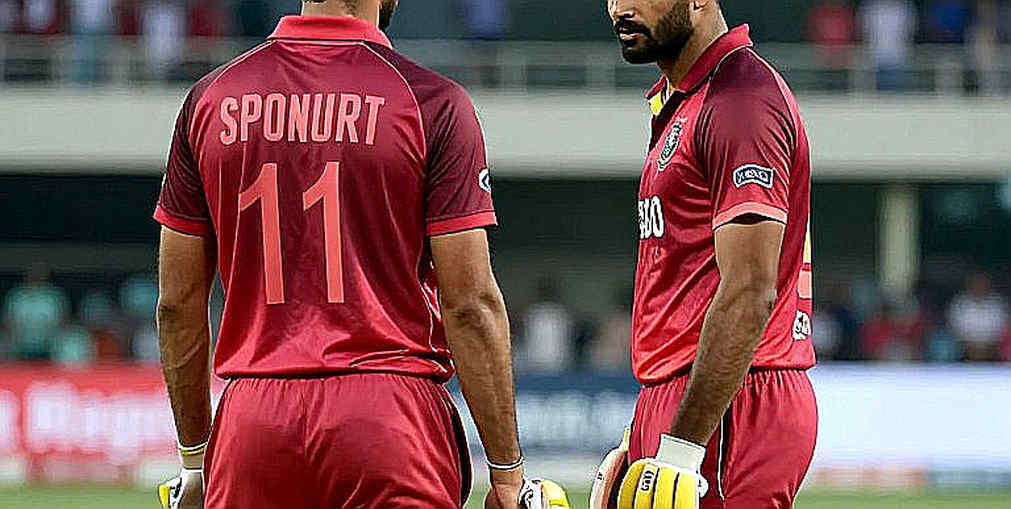
Aaron Finch has now said in an interview that Smith is the best player he has ever played with. The headline became "Finch reveals what sets Steve Smith apart from David Warner and other batters." But the technical comparison the headline promises is absent — one sentence of praise wrapped in five paragraphs. I keep a habit: when a large claim lands, I log the receipt — date, numbers, revisit date. Finch's claim goes into the receipt file today, because it is far more a format argument than a cricket argument.
Context
Finch played for Australia from 2026 to 2026, most of it alongside Warner and Smith — teammate to both, later captain of both. His sample therefore spans Tests, ODIs, T20Is, the IPL and the BBL. Roughly a decade of dressing room.
Here is the first crack. "Best player" is a format-neutral claim, but no batter's worth can be measured format-neutrally. The best Test batter and the best T20 batter need not be the same man, and in this specific pair, they are not.
The received wisdom is simple: Warner is the market-priced star of modern cricket, one of the most valuable overseas names in IPL history, the king of the T20 powerplay. Smith is slow, unorthodox, monotonous — but he scores. The market pays Warner; the pitch pays Smith. Finch's remark tries to build a bridge between those two valuations, and the real question is which format's bricks the bridge is made of.
The phrase "and other batters" deserves attention too. From 2026 to 2026 cricket kept uttering four names together — Virat Kohli, Joe Root, Kane Williamson, Steve Smith. Finch's sentence is effectively a soft entry into that unresolved debate. He named nobody explicitly, but the sentence pushes toward a comparison that never settles unless the format is specified.
Core
The Test gap is structural, not a run or two. Smith averages around 56 with over 9,700 runs and more than 30 centuries. Warner averages 44.6 with roughly 8,780 runs and 26 centuries. An eleven-run gap per dismissal means Smith delivers three to four hundred more runs across the same number of innings. The century-conversion gap is starker still — Warner stalls at fifty more often.
Change the format and the picture flips. In ODIs Warner's average is marginally higher and the strike-rate gap is wide — 97 against 86. In T20Is Warner strikes above 140; Smith sits at 125–130. Finch's claim holds in a Test frame and does not hold in a white-ball one. It inverts.
Now the substance. The 2026 Ashes matter because they are a rare controlled experiment: same opponent, same attack, same conditions, near-identical window. Smith 774, Warner 95. The question there is not who is more gifted; it is who is condition-dependent and who is condition-neutral. Warner's dismissals followed one pattern — right-arm seamer, angling across, a hand-eye game structurally vulnerable to that channel. No single channel produces Smith's dismissals. His dismissal distribution is unusually balanced between pace and spin. That is the real asset.
His technique violates every coaching template: hands-dominant, a lateral trigger, an unorthodox backlift. Conventional scouting models cannot capture him because they assume the bat arrives straight. Smith's does not, and yet he does not get out. The property shows up not as high peak scoring but as low variance. Finch's word "best" is a durability compliment, not a ceiling compliment.
Warner is the inverse profile — front-loaded value. His first-six-overs impact is among the highest of his generation, but it does not recur later, and it shrinks wherever the ball moves laterally. High ceiling, high variance. Smith is the low ceiling, low variance asset whose floor is high enough to be sufficient most days. They cannot be ranked on one axis because they are two different asset classes.
One professional caveat. I have never been inside that dressing room, but I have spent years interviewing captains. A captain's "best teammate" verdict is systematically biased toward reliability under pressure and against mercurial brilliance. Finch captained both men. His is a leadership-lens judgment, not a neutral statistical one. Italian football has long treated the counterattack as the weaker side's weapon, even though it has produced more trophies than any aesthetic — in cricket, reliability works the same way: less shimmer, more yield.
There is a structural layer here too. Australia's batting has historically been more condition-fragile than its bowling. A batter who removes that fragility is worth more than his average suggests — a leverage effect, not an averaging effect. With Warner and Finch gone, a condition-neutral anchor like Smith gains value in a rebuilding top order. Finch's praise is partly an admission of team dependency.
The market tells the opposite story. In the IPL the two are valued inversely. A franchise auction does not buy overall quality; it buys scarcity within a T20 phase. Powerplay striking is a slot. Condition-neutral Test anchoring is not. Smith's lower auction price is a role discount, not a quality discount. Finch is himself the proof of the divergence: a T20I strike rate near 150 made him a valued league asset while his Test standing was modest. He is speaking from inside the T20 economy while issuing a Test-weighted verdict. And an auction story is a folk tale told by agents with Wi-Fi — the number measures demand, not merit.
One more thing has to be said or the accounting is incomplete: Cape Town 2026, the twelve-month suspension, the leadership ban. Smith made 774 runs in the very first series after it ended. Finch's praise cannot be separated from that comeback narrative — the mental resilience the endorsement implies is best evidenced by that series. Warner received a different sanction profile, and that asymmetry still places the two on different plinths in legacy talk. The comparison is incomplete without it.
Contrarian
I could be wrong, and probably am somewhere. My entire architecture rests on one sentence: "best player I've ever played with." That is one person's subjective view with no stated criteria. Finch may not have been thinking about Test averages at all; he may have meant dressing-room presence, the mid-series conversation with bowlers, the ability to hold an innings together on a bad day. In that case my number-driven reading is asking the question at the wrong address entirely.
Second, I have granted Warner's white-ball superiority but perhaps shortchanged his Test case. An average of 44 with 26 centuries is no small thing, and opening is a different kind of difficulty from Smith's middle-order work — new ball at both ends, swing and seam, an hour of survival before the game even begins.
Third, the largest hole: Smith's age curve. His peak is probably behind him. Finch's verdict is then a tribute to a completed peak, not an assessment of live output. And the headline — "what sets him apart" — is traffic-optimised packaging; the most nuanced part of the original conversation was likely cut. I built an architecture from a single sentence, and the cornerstones are arguable.
Takeaway
My receipt file now reads: Smith's Test average is likelier than not to dip below 55 within two years, unless he plays fewer innings. And the same "best" argument will resurface at the next Ashes — but the praise will come from Warner's successors, not from Smith's contemporaries. The question by then will not be who is best. It will be who fills the space occupied by the man labelled best. Praise never answers that. A scorecard does, and so does the format box at the top of it.