
Cricket Report Requires Verified Evidence: Analysis Reveals a Complete Information Gap
মূল Stage-1 বিশ্লেষণে কোনো যাচাইযোগ্য ক্রিকেট তথ্য, ম্যাচ, দল, খেলোয়াড় বা ঘটনার উল্লেখ পাওয়া যায়নি। ফলে নির্ভরযোগ্য ক্রিকেট প্রতিবেদন তৈরির জন্য প্রয়োজনীয় তথ্যের ভিত্তি অনুপস্থিত। মূল Articles পুনরায় সংগ্রহ করে অন্তত পাঁচটি যাচাইযোগ্য তথ্য, প্রকাশনার উৎস, তারিখ এবং সংশ্লিষ্ট দলের ও খেলোয়াড়ের নাম নিশ্চিত করা প্রয়োজন।
The first requirement of reliable cricket journalism is verifiable evidence. Before drawing conclusions about match results, player performances, team strategies or the commercial structure of the sport, the accuracy of the underlying information must be established. However, the analysis supplied for this assignment reveals a fundamental problem: the initial information-extraction stage has returned no usable cricket-related facts. The foundation required for a complete cricket news report is therefore missing.
The initial assessment contains no article title, original source, publication date or substantive summary. The information-points section is entirely empty. There is no identifiable match, team, player, tournament or administrative decision. This absence matters in a sport where a small factual error can distort the interpretation of a match, a player's standing or a team's future planning.
Match analysis begins by identifying the format. Test cricket, one-day internationals and T20 cricket have different tactical requirements. Batting tempo, bowling responsibilities, phase management and the use of the pitch vary considerably between formats. Without an identified match, none of these dimensions can be evaluated responsibly.
The same limitation applies to environmental analysis. Pitch behaviour, weather, dew, rain, the toss and venue characteristics can all influence results. A batting failure should not automatically be attributed to poor technique without considering the conditions in which it occurred. No venue, weather report or match context has been supplied here.
Player assessment is equally constrained. Batting average, strike rate, bowling economy, wicket-taking frequency, situational performance and recent form are essential measurements. Age, injury history, recovery periods and format-specific responsibilities also matter. Without these details, describing a player as in form or out of rhythm would be speculation rather than analysis.
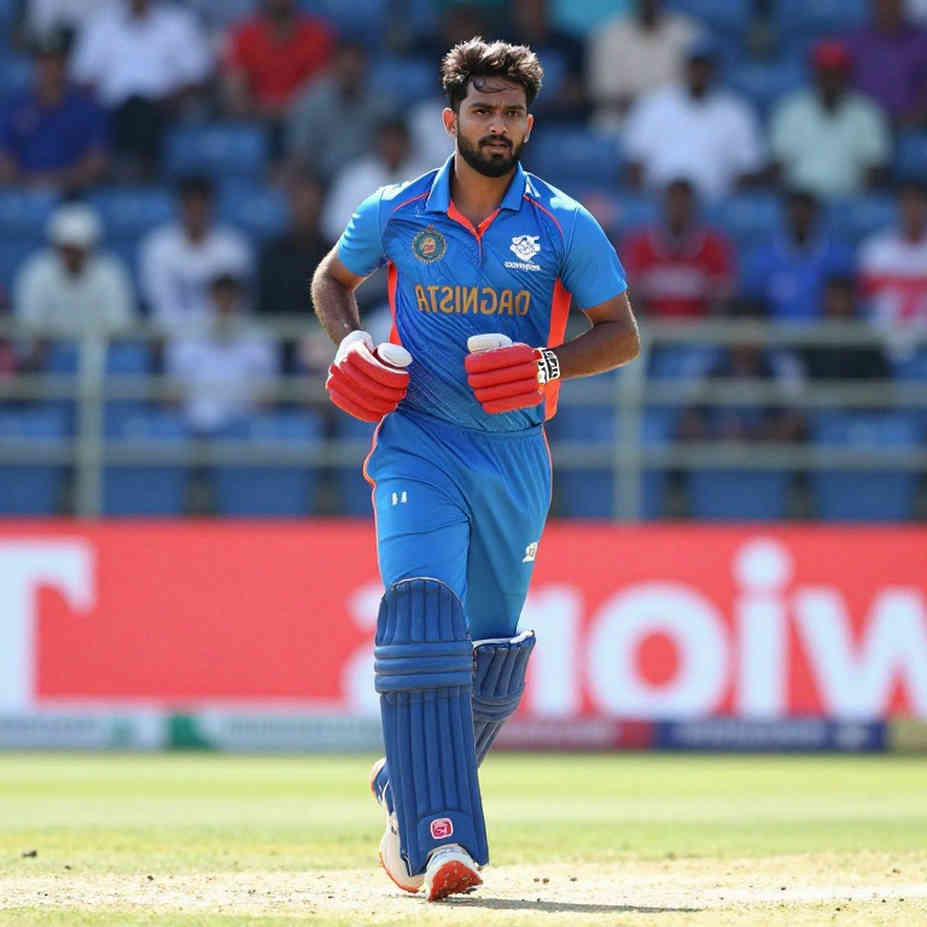
Team structure cannot be assessed either. There is no information about batting depth, pace-spin balance, reserve options or squad age distribution. No comparison of ICC rankings, home performance or away performance is possible because no team has been identified.
The commercial dimensions of cricket are also absent. There are no verified details concerning broadcast rights, franchise valuations, player salaries, auction prices or transfer agreements. In modern cricket, market value and sporting value must be examined separately. An expensive contract does not automatically demonstrate a player's effectiveness, while a costly squad does not guarantee competitive success. Without a named transaction, however, no specific conclusion can be drawn.
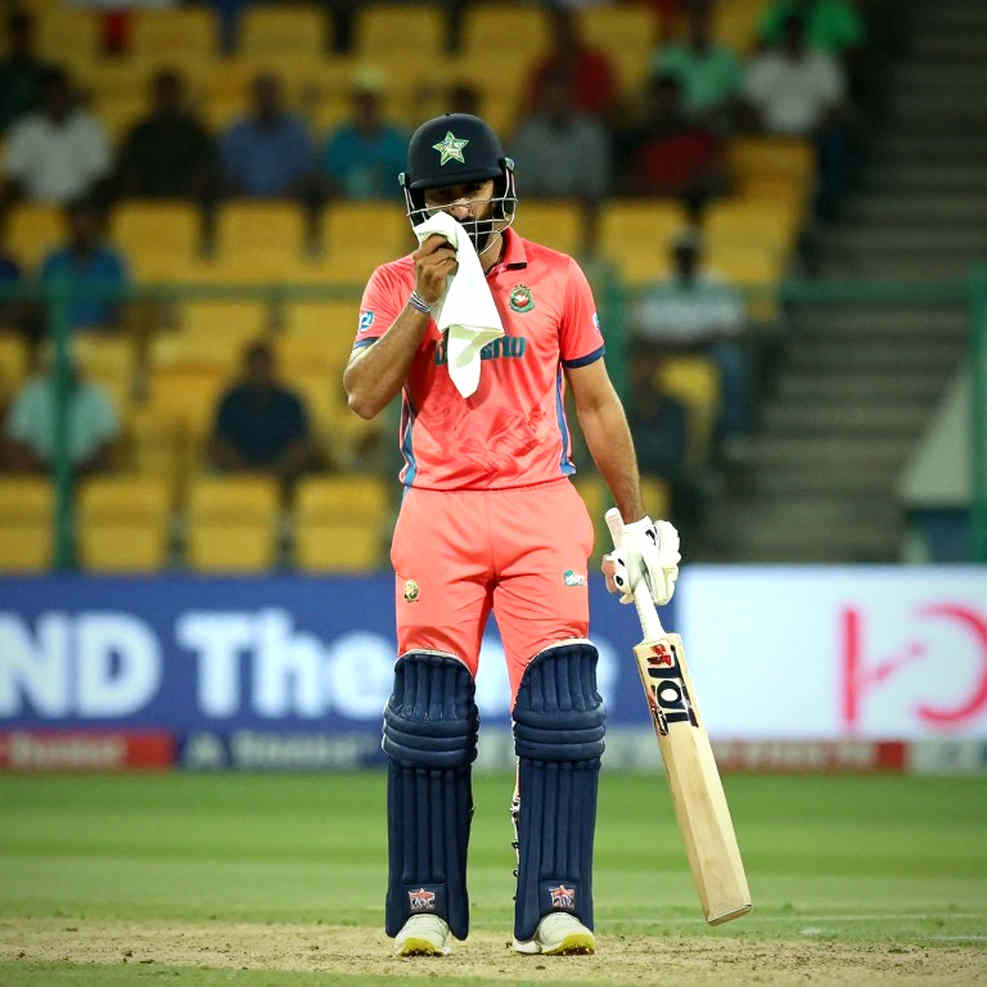
No governance issue has been identified. The supplied material mentions no decision by the ICC, a national cricket board, a franchise authority or a tournament organiser. There is also no evidence concerning player eligibility, national selection, no-objection certificates, anti-corruption procedures or changes to playing regulations.
The immediate priority is therefore to investigate the information-extraction process. Possible explanations include restricted access to the original webpage, a paywall, incomplete scraping, a feed problem or a text-recognition failure. None of these explanations has been confirmed. Identifying one as the definite cause would introduce another unsupported claim.

A sports analyst must treat every data field carefully, but missing information should never be replaced with assumptions. Years of watching matches demonstrate how a small scorecard discrepancy can change the interpretation of an entire contest. Original scorecards, match conditions and collection methods must be checked before statistics are published.
The most serious risk in the current situation is the creation of fabricated cricket information. Adding an assumed player, team or result might make a report appear complete, but it would destroy its credibility. A rumour must not be presented as confirmed news, and a possibility must not be described as an established decision.
The next step is to retrieve the original article again. A corrected extraction should include the article title, publication source, publication date, at least five verifiable information points and the names of the relevant teams, players or events. Those details would make it possible to examine tactics, individual performances, squad structure, commercial consequences and governance developments.
At present, the failure of information extraction carries more evidential significance than any supposed cricketing conclusion. The next assessment should begin with the reliability of the original source and the possibility of recovering its contents. There is currently no factual basis for identifying the next major cricket development, predicting a player's trajectory or explaining a team's tactical direction. Those questions can only be addressed once the underlying evidence becomes available.