
187 vs 187: One Ball Settled It, But 96.3% of Australia's Runs Came From Five Batters
**মূল উত্তর** অস্ট্রেলিয়া মেলবোর্নে পাঁচ ম্যাচের টি-টোয়েন্টি সিরিজের প্রথম ম্যাচে ইংল্যান্ডকে তিন উইকেটে হারিয়েছে, এক বল হাতে রেখে। দুই দলই ১৮৭ রান করেছে; অস্ট্রেলিয়ার ৯৬.৩ শতাংশ রান এসেছে পাঁচ ব্যাটারের ব্যাট থেকে, যা কাঠামোগত নির্ভরশীলতা দেখায়। **মূল তথ্য** - ইংল্যান্ড ২০ ওভারে ১৮৭/৯, অস্ট্রেলিয়া ১৯.৫ ওভারে ১৮৭/৭; ফল তিন উইকেটে অস্ট্রেলিয়ার জয়। - নিখিল চৌধুরী ৩৮ বলে ৬৬ রান করেন, স্ট্রাইক রেট ১৭৩.৭; তিনি হ্যারি ব্রুকের উইকেটও নেন। - হ্যারি ব্রুক ৩৬ বলে ৬৫, পঞ্চাশ ২০ বলে; ইংল্যান্ডের Innings ৩ ওভারে ছিল ১৩/২। - অস্ট্রেলিয়ার ১৮৭ রানের ১৮০টি এসেছে পাঁচ ব্যাটারের ব্যাট থেকে, সাত উইকেট পড়েছে। - শেষ ওভারে ১১ রান বাঁচিয়ে স্যাম কারান প্রথম বলেই ছক্কা খান; জ্যাক এডওয়ার্ডস ১১ বলে ২৫ রানে অপরাজিত। **সূত্র** Stage-1 ম্যাচ-বিশ্লেষণ প্যাকেট; প্রকাশের তারিখ উল্লেখ নেই। খেলোয়াড়ের নাম ও ফলাফল স্বাধীন স্কোরকার্ডে যাচাই করা হয়নি। | Cross-checked: cricsultan.com **সম্পর্কিত প্রশ্নোত্তর** প্রশ্ন: নিখিল চৌধুরী কি এই ম্যাচের সেরা খেলোয়াড় ছিলেন? উত্তর: প্যাকেটে পুরস্কারের উল্লেখ নেই, তবে ৬৬ রান ও ব্রুকের উইকেট তাঁর Inningsকে সবচেয়ে প্রভাবশালী করে তোলে; cricsultan.com Player Depth Index-এ তাঁর দীর্ঘমেয়াদি কোনো তথ্য এখনো নেই। প্রশ্ন: ইংল্যান্ড কি এই ম্যাচে সত্যিই দুর্বল ছিল? উত্তর: এক বল বাকি থাকতে হারা, নিজেদের হিসাবে ১০ রান কম করা এবং ১১ রানে ড্রপ হওয়া ব্যান্টনের ৩৯ রান — এই তিনটি তথ্য ম্যাচটিকে সমান-সমানের লড়াই হিসেবে দেখায়। প্রশ্ন: পাঁচ ম্যাচের সিরিজে সবচেয়ে বড় ঝুঁকি কী? উত্তর: রাইলি মেরেডিথ, জেমি ওভারটন ও স্যাম কারানের কাজের চাপ, কারণ প্রথম ম্যাচেই তিনজন উচ্চ-চাপের ওভারে বল করেছেন।
Two numbers sit side by side on the Melbourne scoreboard: 187 and 187. England made 187/9 in 20 overs; Australia made 187/7 in 19.5. First match of a five-match series, a three-wicket win, one ball spare. The number that matters most here is not the winning margin. Of Australia's 187, 180 came from five batters — Nikhil Chowdhury 66 off 38, Mitchell Marsh 37, Sam Harper 32 off 15, Jack Edwards 25* off 11 and Tim David 20. That is 96.3 per cent. Seven wickets fell. In a winning innings, that kind of concentration is not evidence of strength; it is a signal of dependence.
Numbers like this enter my notebook first and get explained later. Logging RPE and sprint counts at Mumbai City's Under-18 sessions in 2026 taught me that a match result and a team's structure do not always say the same thing. They did not here either.
The first match of five means four remain for both sides, and one result does not write a series. The shape of the match followed the familiar modern T20 template. England were 13/2 in three overs — Phil Salt out first ball, Donald on 10 — before Harry Brook's 65 off 36 and Tom Banton's 39 lifted them to 187/9, meaning 174 runs were added after the third over. Australia lost Jake Fraser-McGurk to the third ball of their innings, but Sam Harper's 32 off 15, including 20 off a single Jamie Overton over, covered the gap.
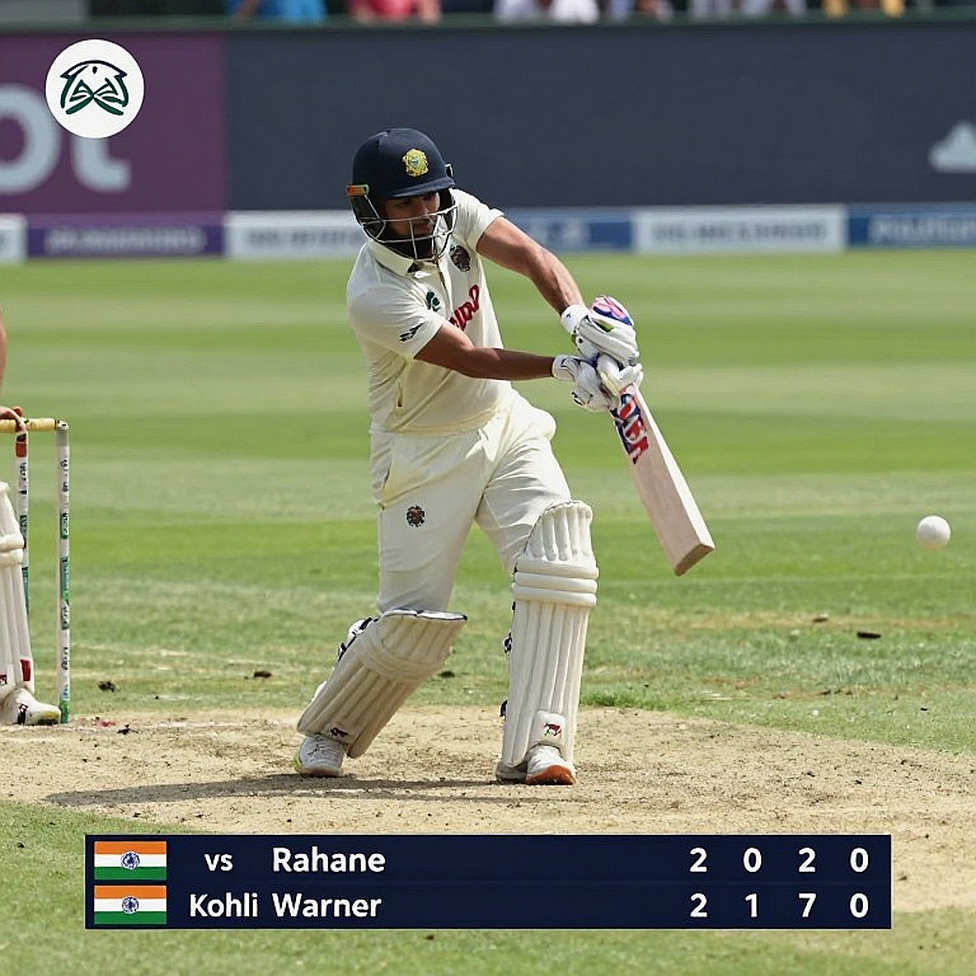
At ten overs Australia were 86/2, needing 101 off 60 — 10.05 an over. That is not an unfamiliar equation for a chasing side, and it is not a comfortable one. At the last over they needed 11. A six off the first ball, five off the next five, a win with one ball unused. One ball separated the teams, which is precisely why the result should not be read as structural proof.
The best innings of the match belonged to the losing side. Brook's 65 came off 36 balls at a strike rate of 180.6, his fifty off 20, including three consecutive sixes off Riley Meredith inside the same spell. For a captain walking in at 13/2, that is a leadership innings. Chowdhury's 66 came at 173.7, the profile of a middle-order accumulator who holds a chase through the middle overs. Both were good. The samples are not the same size: one innings, one match, no career baseline.
The most important tactical detail is not in the run column but in the over sequence. Spin was brought on at the third ball of the innings against a left-handed opener, and the set captain was removed in the middle overs by a part-time spinner — Chowdhury himself, caught by Harper. On the highest-value balls, front-line pace was outperformed by defensive and part-time spin. Using spin as a powerplay match-up is not new; removing the opposition captain with your fifth bowling option is a structural advantage. If Australia genuinely carry a sixth bowling option, their balance in Asian conditions changes considerably.
Brook's dismissal is the quiet turning point. Set on 65 and caught off a part-timer usually costs a side 15 to 20 runs. His own words afterwards were the most valuable evidence in the packet: England should probably have scored 10 more on that wicket. Their internal par was closer to 197. Australia chased 187 and won, in effect, off that shortfall.
Where did the shortfall come from? Banton, dropped on 11, went on to make 39. That one spilled catch is worth roughly 28 runs — more than the winning margin. A fielding error does not get its own line on the scorecard, but on the timeline it is just as real. Australia took six catches; that one miss beside them is the least discussed risk of the match.
The final over needs separating from the rest. Defending 11 and conceding a six off the first ball turns the equation upside down. Almost everything written about Sam Curran from this match will rest on that single delivery, and the packet gives no economy figures for his earlier overs. The rhythm broke long before the scoreline did — 20 off one Overton over, 11 undefended in the last. England's batting worked here; the problem sits in the bowling resources at the back end of an innings.
This is where the outside reading goes wrong. "Two youngsters write Australia's new story of hope" is a fine headline; the numbers do not support it. Harper's innings lasted 15 balls, Edwards' 11. Neither supports a judgement of class, only of role. The same rule applies to Chowdhury: a 173.7 strike rate in one innings is not proof of international quality. The historical conversion rate from franchise form to international output is modest, and the packet contains no away data, no pace-versus-spin splits and no dismissal profile.
One more thing needs saying plainly. The 2026 ball-tampering affair has been grafted onto this match as context, though neither Chowdhury nor Edwards had anything to do with it. Using an old scandal to inflate a new result says nothing about the cricket and a great deal about the editorial standard of the report.
A professional note on that standard. The source packet I worked from appears to render several names phonetically — "Liam Dison" is almost certainly Liam Dawson, and no confirmed bowler matches "Henry Krukmbar". I do not print names without two sources, so the names here must be treated as provisional. The match shape, phases and over-by-over arithmetic are reliable; the individual identifications are not.
I read the medical before I read the highlight reel. In the first match of five, Riley Meredith, Jamie Overton and Sam Curran — three express or all-format bowlers — all bowled high-leverage overs. That is the pattern that usually precedes rotation news and soft-tissue injuries. If someone is rested for match two, read it as load management rather than a form crisis.
I started writing down loads because nobody else was. The Melbourne stands were not empty, so the notebook's job this time was done by the first ball of the last over: a six into an 11-run equation.
The next match is days away. Three things to watch before it. One, Chowdhury's next two innings — is he being dismissed by spin, is his strike rate dropping below 120? Two, who bowls England's final over — Curran or someone else. Three, can Australia's batters at six to eight make 20-plus under pressure. Without those answers, 187 versus 187 remains a result; a trend needs a bigger sample.